Join our weekly group demo ☕️ ->
Customers
Pricing
Check out the latest insights on accounting firm management
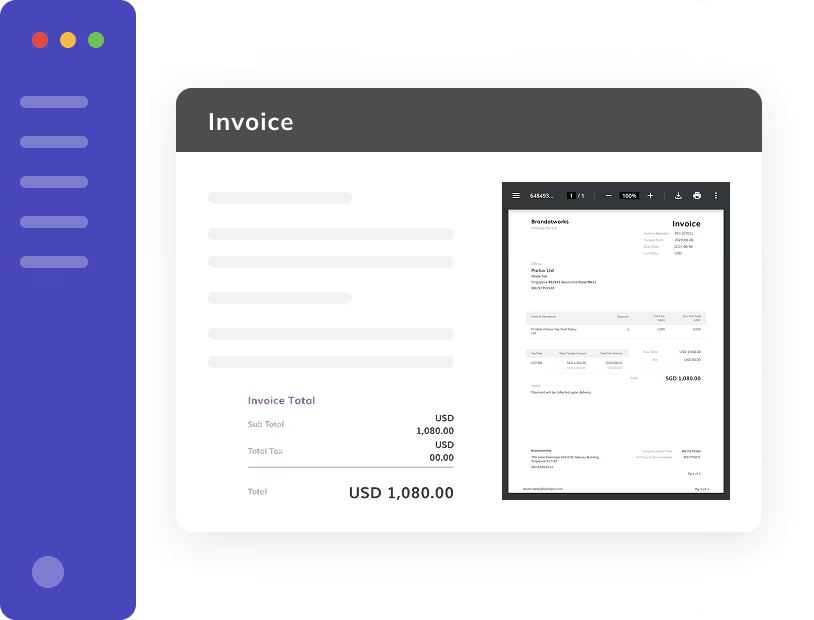
Eleven is an AI-powered accounting platform designed for firms managing multiple entities or currencies, offering automation, advanced reporting, and scalable accounting features.
Xero is a cloud accounting platform for small businesses and accountants. Explore its features, pros, cons, pricin, and how it compares to Eleven.
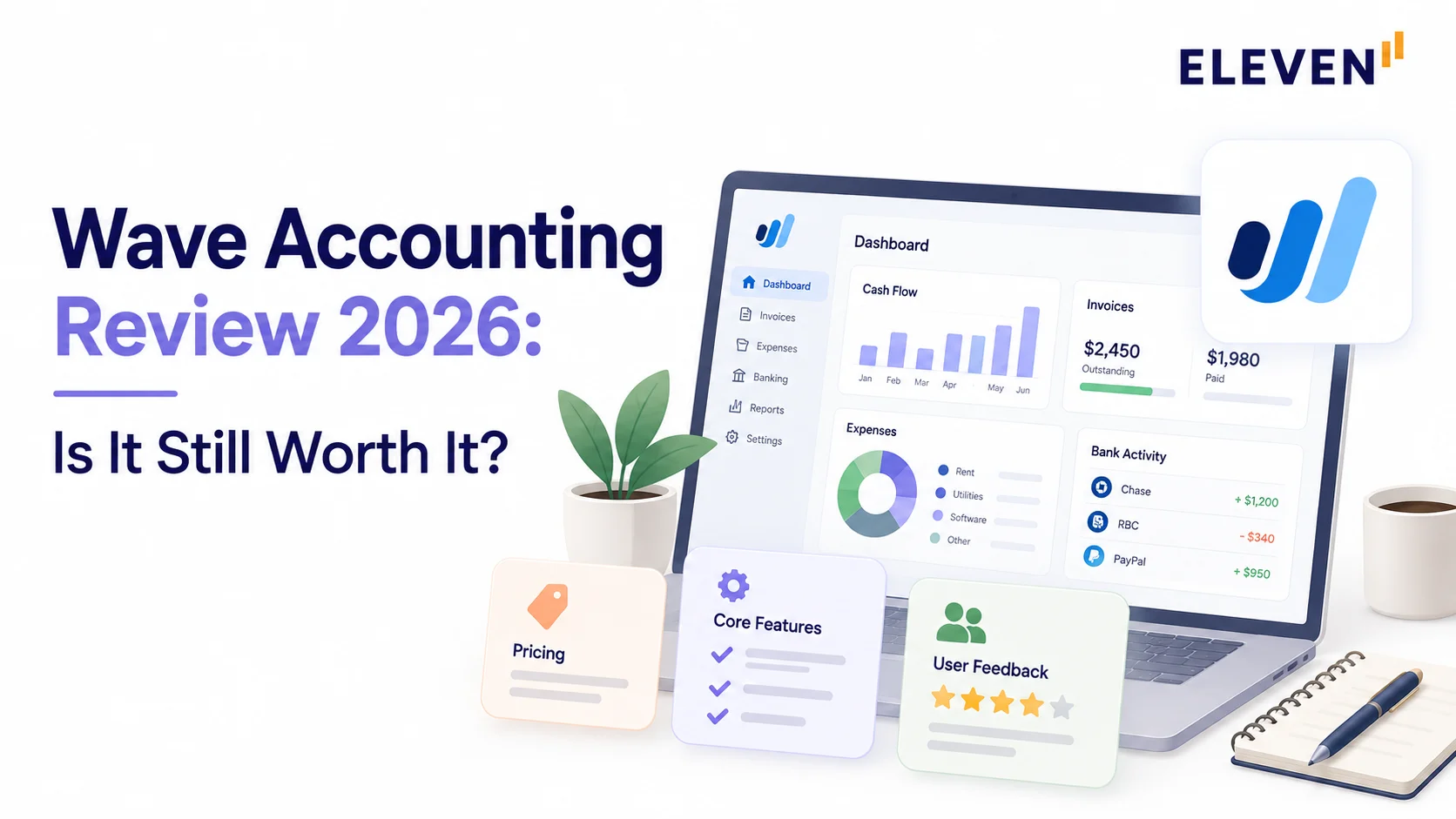
Wave's 2026 pricing, the June plan changes, and what 32 recent one-star reviews say about payments and payroll.
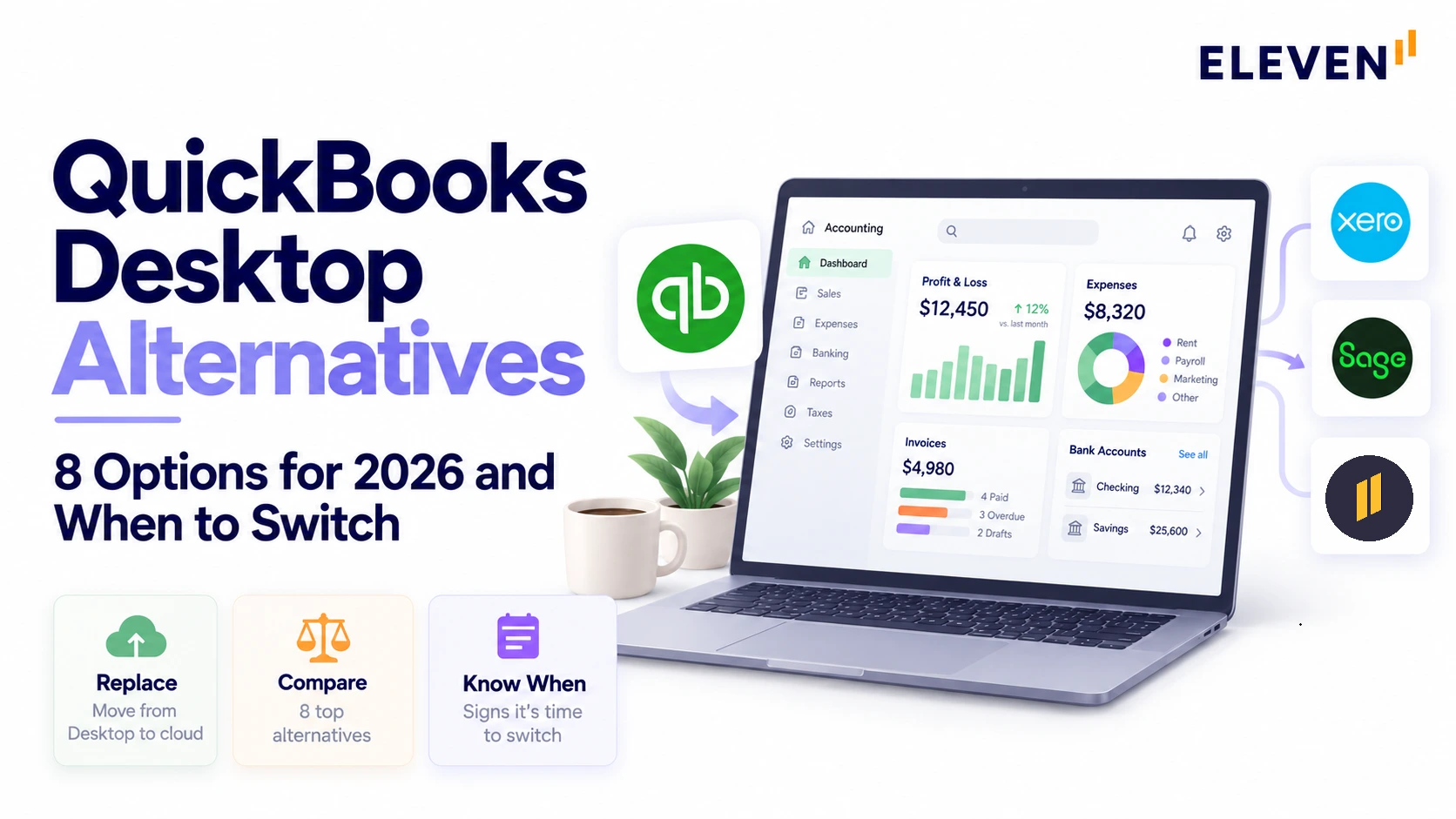
A practical comparison of eight QuickBooks Desktop alternatives for 2026, covering features, pricing, multi-company accounting, and migration considerations to help businesses and accounting firms choose the right replacement.
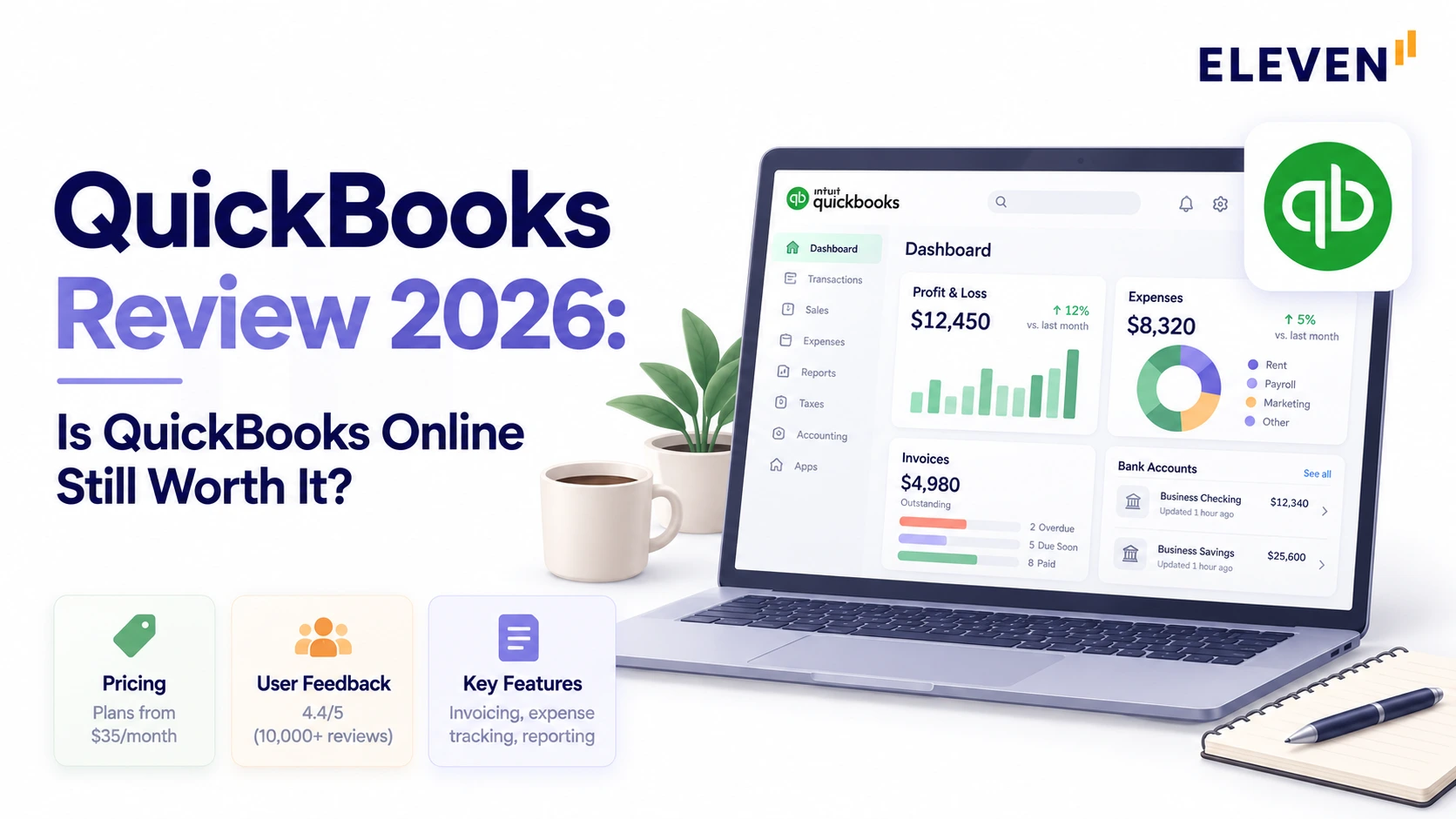
QuickBooks is the strongest accounting platform on the market for US-based single-entity small businesses that need native payroll, deep tax compliance, and a mature ecosystem. It remains the category leader for that specific buyer. However, it was never built for multi-entity operations, and the per-entity cost compounds quickly the moment a firm manages more than a handful of client companies. Understand which buyer you are before reading the rest of this review.
How NetSuite pricing and renewals really work, what the 2026 contract says, and what 50 users report.
What FreshBooks really costs after the promo, what users and bookkeepers complain about, and how it works for accountants.
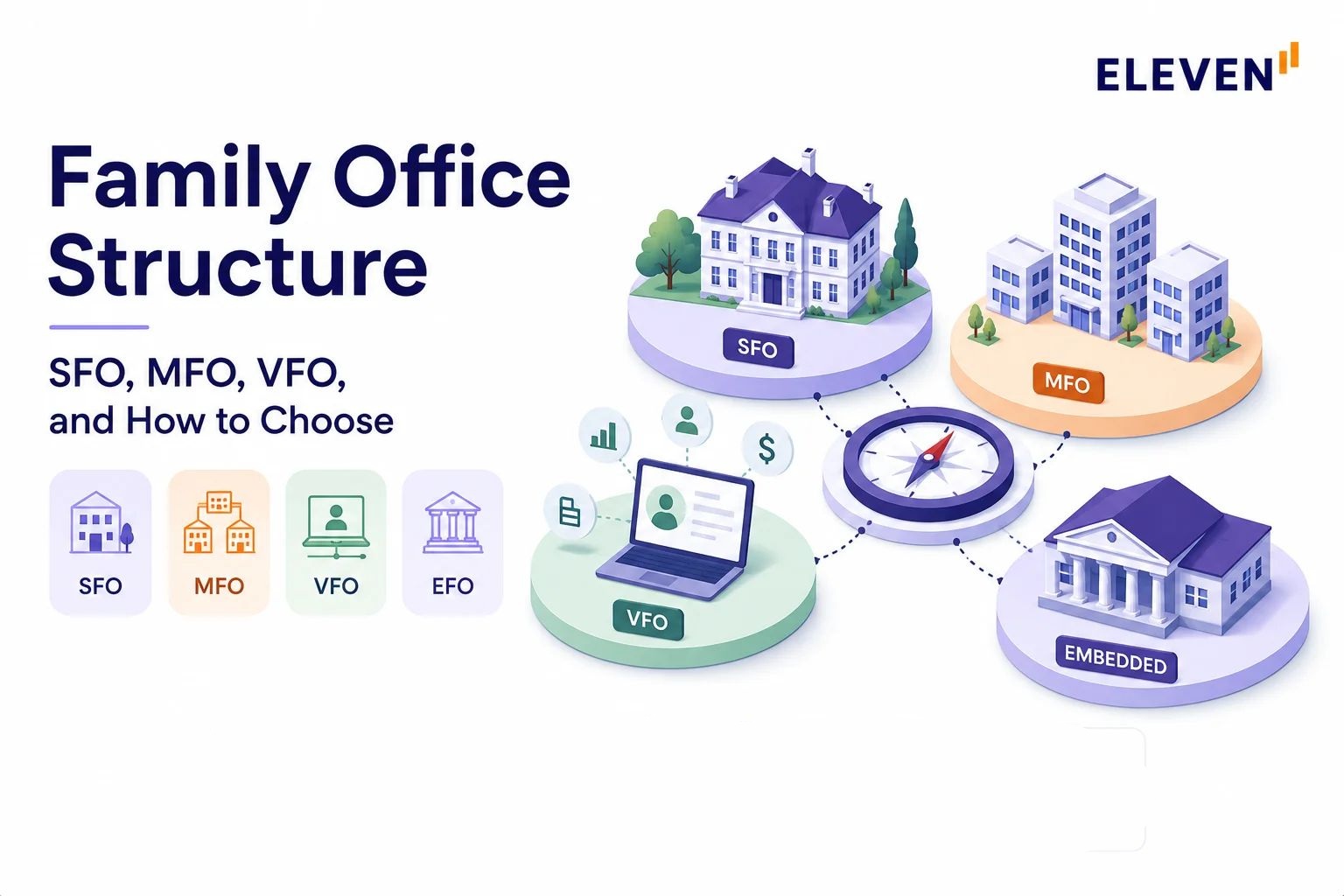
This in-depth guide to family office structures compares SFOs, MFOs, VFOs, and embedded models, with practical breakdowns of legal entity stacks, ManCo tax domiciles, org charts, cost benchmarks, and multi-entity accounting requirements.
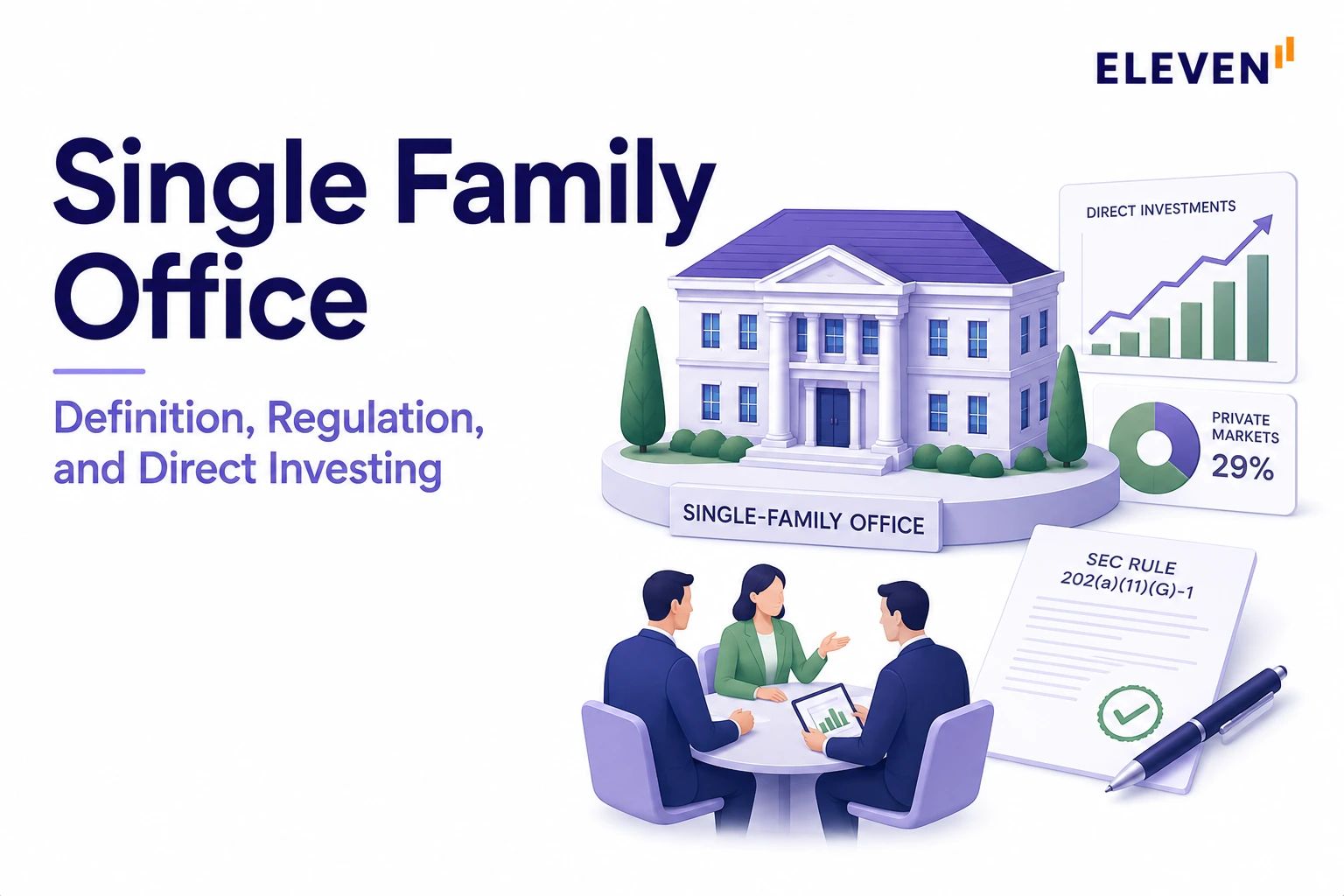
This comprehensive guide to single-family offices (SFOs) explains how they operate, their regulatory exemptions under SEC Rule 202(a)(11)(G)-1, typical staffing costs, the rise of direct investing, and the accounting infrastructure needed to manage complex multi-entity structures.
Not all accounting systems are built the same. Learn how flat ledgers, dimensional systems, and multi-entity platforms differ and which scales with your firm.
Thisl guide to virtual family offices (VFO) breaks down how the lean coordinator model works, the essential tech stack and build order, cybersecurity considerations, cost drivers, and when to transition to a full general ledger.
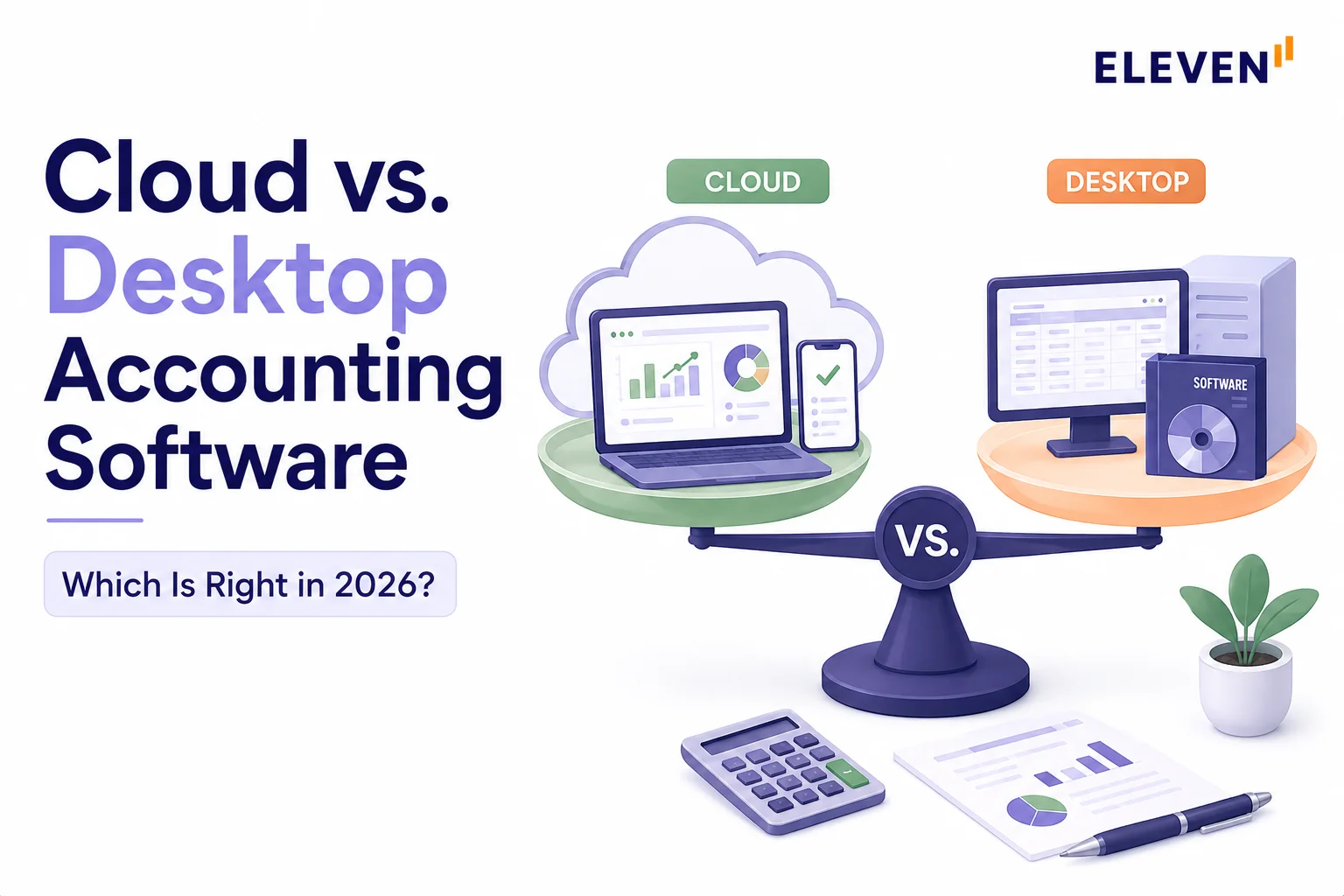
In this comprehensive comparison, we explore the strengths and weaknesses of cloud-based versus desktop accounting solutions to determine which technology best supports the needs of contemporary businesses.
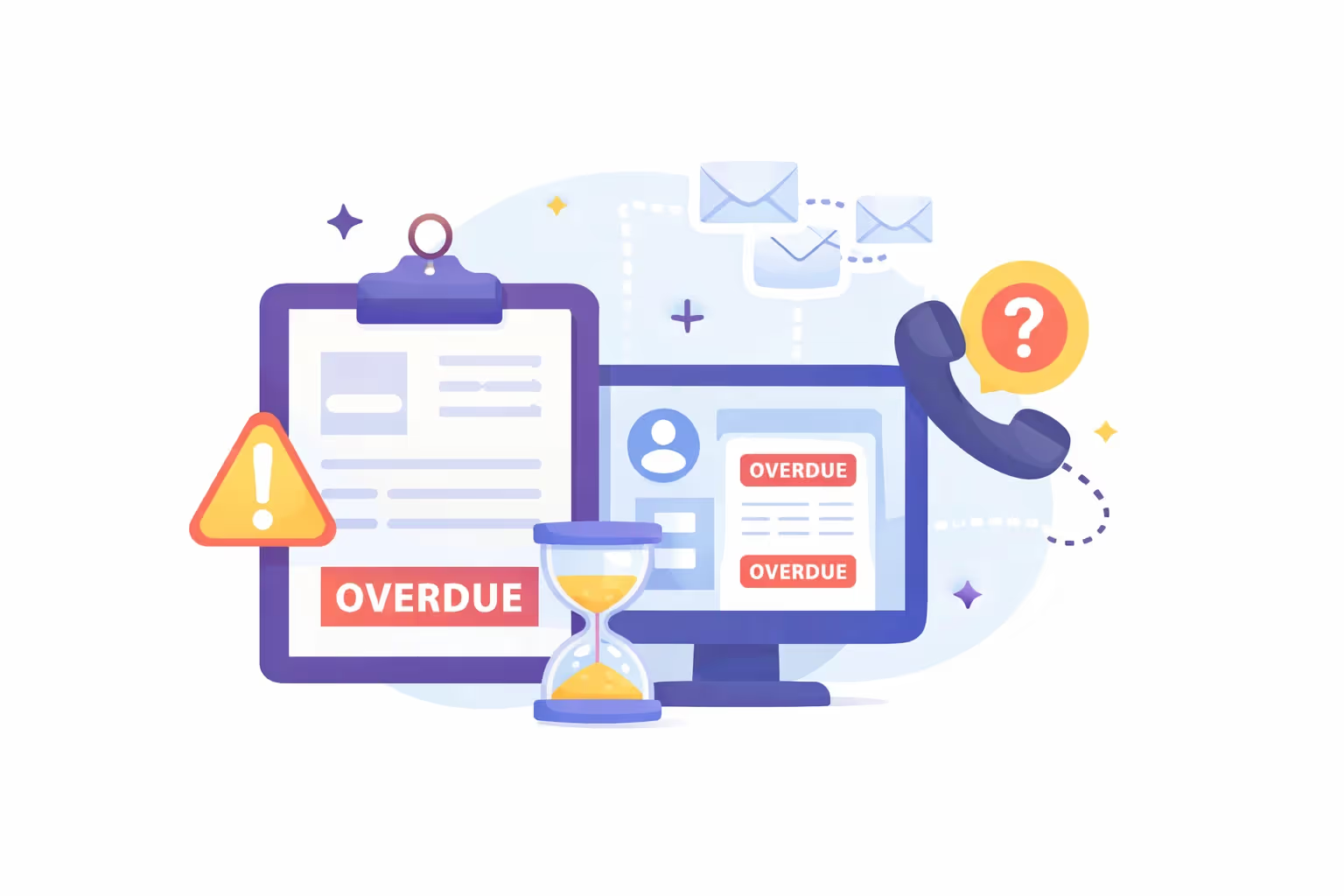
This guide reviews the best dunning software for accounting teams in 2026. Learn how modern tools automate collections, improve visibility, and reduce AR risk.
Revenue recognition errors cause more financial restatements than almost any other accounting issue. Learn how ASC 606 and IFRS 15 work, why timing matters, and how to avoid costly mistakes.
Dunning management stops being a friction point when you understand how it fits into receivables. This guide explains what works, why segment-based policies matter, and how clean accounting data enables better collection outcomes.
Managing dozens of entities in QuickBooks means manual consolidations, fragmented documents, and wasted time. This guide shows what modern alternatives do differently.
In-depth Odoo Accounting review covering features, pricing, and pros and cons to help you decide if Odoo is right for your accounting needs.
Big automation on a small budget. Our 2026 review breaks down Zoho Books' features, hidden transaction limits, and who it’s actually built for.
The best cloud accounting software for CPA firms and family offices in 2026. We compare Eleven, Sage Intacct, QuickBooks, Xero, and Zoho Books in detail.
Revenue recognition software automates ASC 606 and IFRS 15 compliance: recognition schedules, deferred revenue, journal entries, and audit trails. Here are the seven platforms worth evaluating in 2026.
If you're managing more than one legal entity, your accounting setup is either built for it, or quietly creating risk. Here's what multi-entity accounting actually requires.
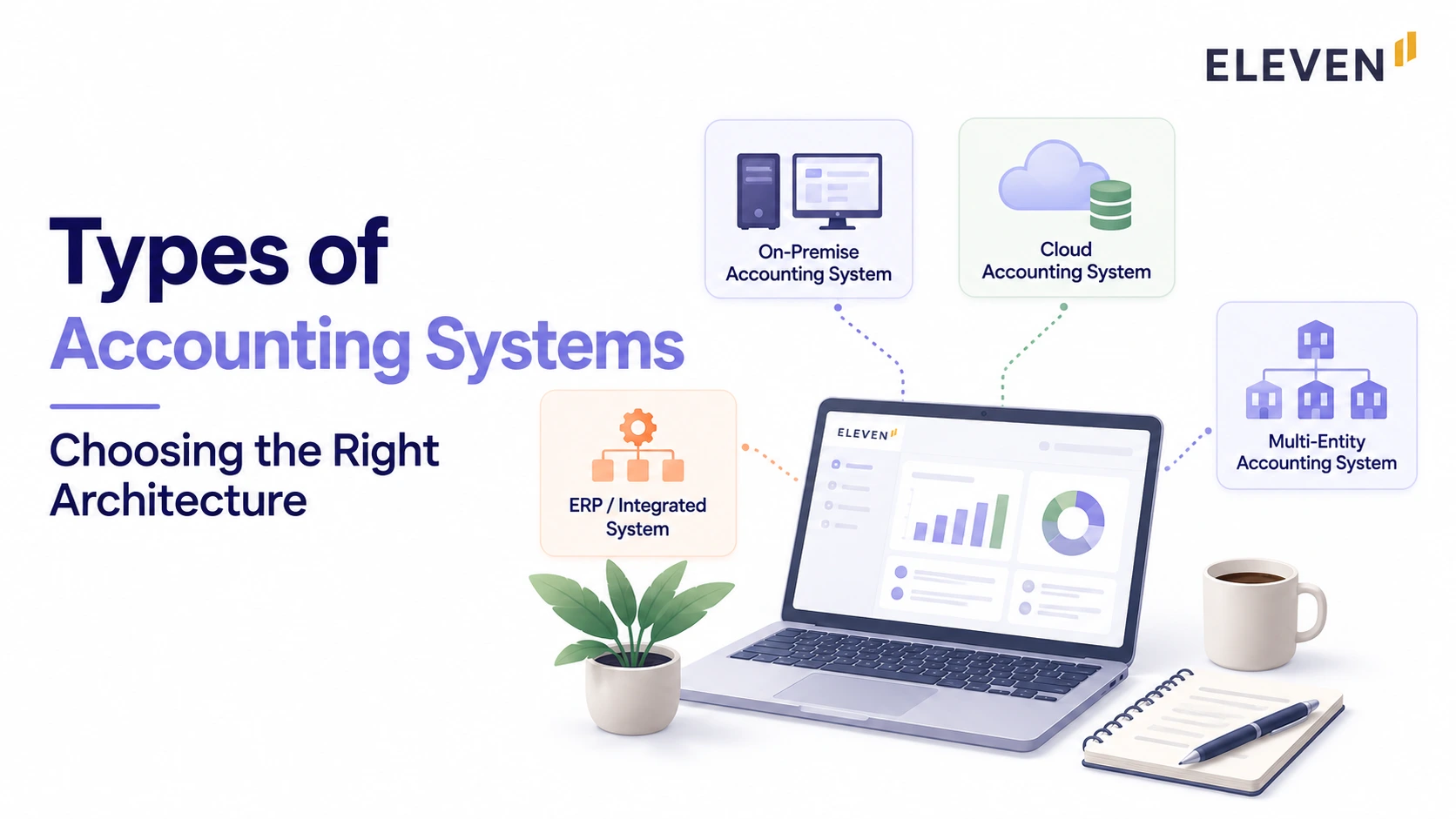
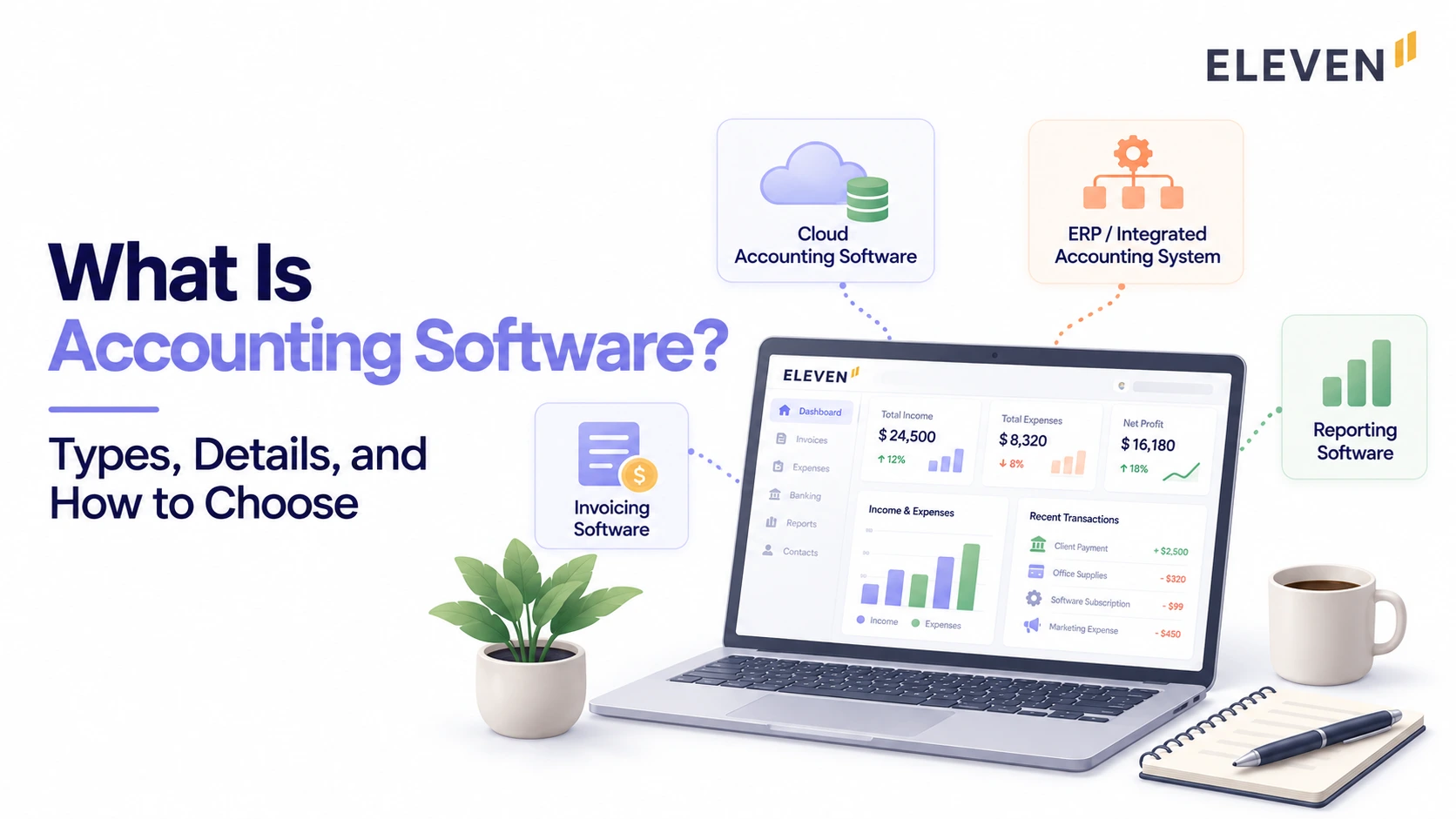
A practical guide to accounting software types, features, and how to choose the right platform for your business size and needs.
An accounting system migration guide for CPA firms and finance teams, covering data preparation, COA mapping, parallel runs, and multi-entity consolidation.
Managing a family office means handling multi-entity structures, cross-border tax obligations, and complex investment portfolios. This guide covers what family office accounting software does, what features to look for, and which tools serve this environment well.
Learn what cloud accounting is, how it differs from traditional accounting, who it’s for, and how to move to it in this clear, no-jargon guide for 2026.
A clear breakdown of cloud accounting pricing models, hidden costs, and how firms can choose the right setup as they grow.
Tired of accounting software that works for others but not for you? Discover which platforms actually match your business structure and growth stage.
A practitioner's guide to forecasting cash flow across multiple currencies. Covers mapping currency exposure by entity, building forecasts in layers instead of one blended number, using rate scenarios instead of single-point estimates, consolidating without losing entity-level detail, and the most common mistakes finance teams make when managing FX risk across multi-entity operations.
In this Sage review, we analyze Sage’s product lineup, Sage Intacct’s features, and real customer reviews to decide whether Sage is the right accounting solution for you.
Invoice approval mistakes slow payments and create accounting risk. This guide compares the best invoice approval software in 2026, with a focus on tools built for accounting firms, CPA practices, and finance teams managing multiple entities.
You don't need another invoicing tool. As a CPA firm or family office, you need billing that ties directly into accounting, approvals, reporting, and multi-entity structures. This guide compares leading platforms based on how well they actually support that kind of work.
Choosing accounting software for a firm is very different from choosing it for a single business. This guide reviews the best cloud-based accounting solutions built for managing multiple client entities.
68% of accounting firms prioritize multi-currency in their accounting software. Here is a list of the 5 best multi-currency accounting software.
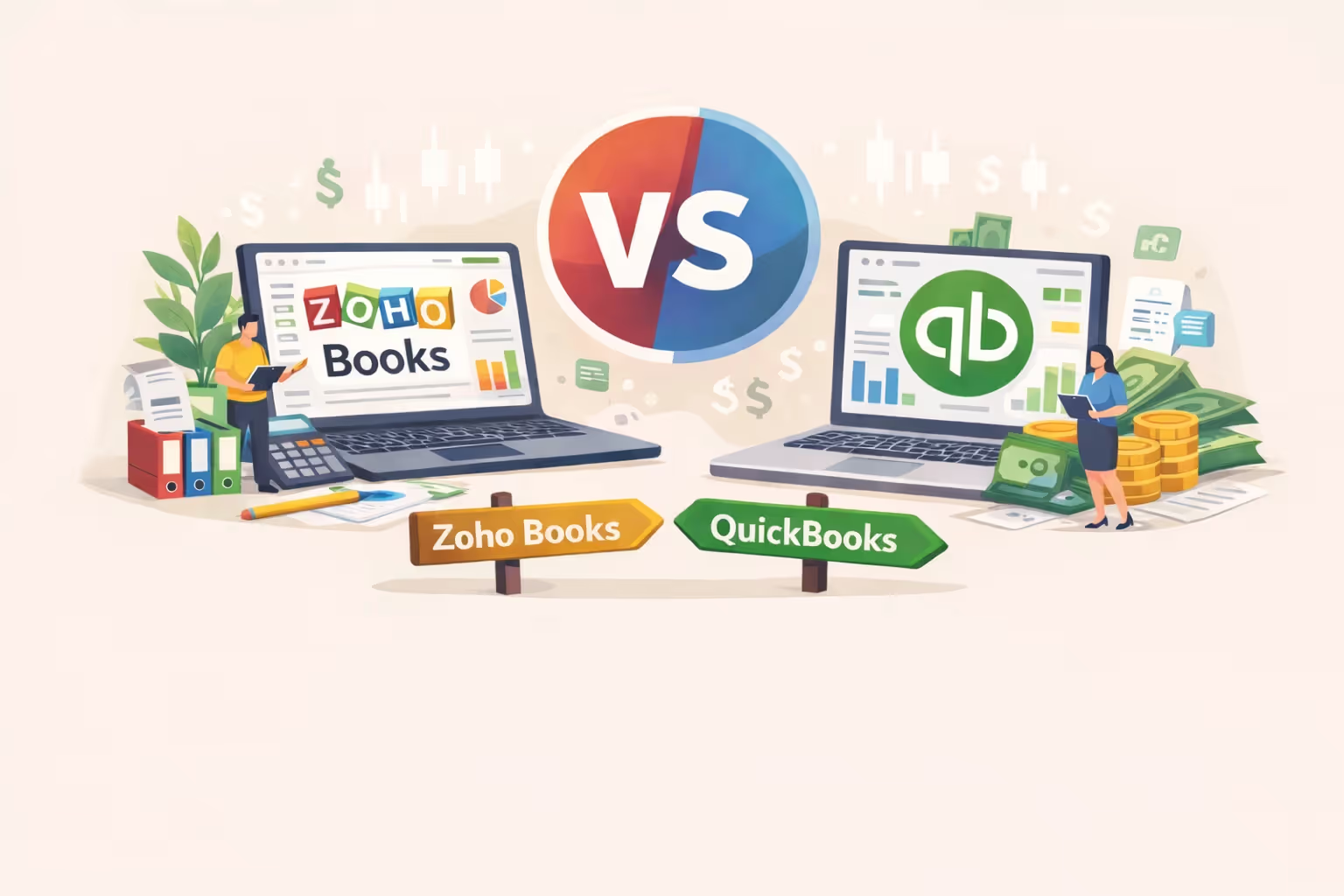
Not sure whether Zoho Books or QuickBooks is right for your practice? Here's an honest, feature-by-feature breakdown to help you decide.
Dedicated accounting software for CPA firms can guarantee to make your firm more efficient, accurate, offer more comprehensive reporting, without the risks of breaking tax laws or regulations.
QuickBooks vs. Xero (2026): Both dominate small business accounting, but which holds up for serious firms? We compare strengths and reveal weaknesses.
Xero vs Sage Intacct (2026): an SMB platform vs a mid-market financial system. Full comparison of features, pricing, and which one fits your firm's complexity.
Zoho Books vs Xero (2026): both are solid single-entity platforms, but they're built for different priorities. Here's a full comparison for accounting professionals.
The truth about cloud-based accounting software. Find out how it increases productivity, lowers expenses, and improves security for CPA and accounting businesses.
Cash vs. accrual accounting: key differences, IRS rules under IRC Section 448, Form 3115 guidance, and a decision framework for accounting professionals.
A practical guide for small businesses and CPA firms on what to look for, what to avoid, and how to choose a platform that holds up as you grow.
Guide to Annual Reports: Definition and Writing Tips
Managing books for dozens of clients across separate platforms is costing your firm more than you think. Here's why multi-company accounting software changes the equation.
Learn how CPA firms and family offices can streamline financial operations by automating repetitive accounting tasks with the right tools and processes.
Does your accounting firm already have a reliable data backup strategy? If no, read why backups are essential for accounting software and how to prevent data loss effectively.
Learn the most effective intercompany accounting best practices to reduce errors, simplify reconciliation, and improve consolidation across entities.
Learn how accounting firms can protect sensitive financial data with practical cybersecurity strategies, from threat prevention to compliance and secure system design.
Managing cash flow across multiple currencies exposes businesses to exchange rate risk, forecasting gaps, and liquidity surprises. Here is how to get it under control.
A practical guide to Making Tax Digital software: what MTD is, who it affects, key deadlines, and how to choose the right tools to stay compliant.
Understand the key differences between ERP and accounting software, and learn which one fits your business needs based on size, complexity, and growth stage.
AI is reshaping accounting workflows fast. Here’s where it adds real value, and where human expertise still matters most.
AI in accounting means using powerful software to automate bookkeeping and bank reconciliation, and give valuable insights thanks to advanced analytics.
The key features of accounting software for businesses go far beyond basic bookkeeping. Find out what separates a capable platform from one that actually moves the needle.
Discover how modern bookkeeping management software and AI tools can prevent cashflow issues, boost accuracy, and help your business grow.
If your firm is looking to cut costs without cutting corners, this guide shows you exactly where modern accounting software makes the difference.
Discover how automated accounting solutions can transform your bookkeeping and financial management. Learn about the key features, benefits, and top tools to help you choose the right platform for your firm.
Most AR fraud doesn't start with a scandal. It hides inside routine invoicing, write-offs, and payment posting. This guide breaks down how it happens, what to watch for, and how to stop it early.
AI bookkeeping leaves routine tasks such as cording and reconciliation up to software and automation. Choosing the right tool will help you take your role from record keeper to strategic advisor.
Not all AI accounting software is built the same. This guide breaks down the 8 best options available today, what they do well, where they fall short, and which type of firm each one is actually built for.
Are your finance teams drowning in manual AR work? Late payments drain your cash, slow growth, and put constant pressure on your team. Accounts receivable automation changes this by helping you get paid faster, eliminate errors, and gain real-time visibility into every outstanding invoice.
SaaS accounting works differently. Learn how to handle revenue recognition, deferred revenue, and compliance the right way in 2026.
Cash flow problems often begin with unpaid invoices. Accounts receivable turnover reveals how quickly earned revenue becomes cash and where collection risks start to form.
Choosing the best bookkeeping software will help you improve your client services by automating repetitive tasks and reducing errors to a minimum.
An invoice app is a tool designed to manage your invoices and payments. Some are better for entrepreneurs, some have more advanced features for larger businesses. Find the best invoice app for your business here.
Late payments can leave profitable businesses short on cash. This guide explains accounts receivable management, why it matters, and how to manage it effectively.
In this article, we define why you need invoice accounting software, what features it should have, and our 7 favorite choices.
Small businesses have different needs and budgets than large enterprises. These 7 best bookkeeping software for small businesses promise to offer the necessary features without added costs.
EBITDA, or earnings before interest, taxes, depreciation, and amortization, is a key financial metric used to assess a company’s operational profitability.
Not sure whether Excel or accounting software is right for your business? Weigh up the real pros and cons and find the tool that fits where you are, and where you're headed.
AI in accounting involves the use of different technologies such as machine learning, NLP or OCR to automate tasks, offer deeper insights, and much more.
We are using cookies. Learn more.