
❌ EXCEL PROBLEM
A formula change a week ago leaves no record. A pasted-over value is gone forever. At audit time, "what changed and when" becomes archaeology.
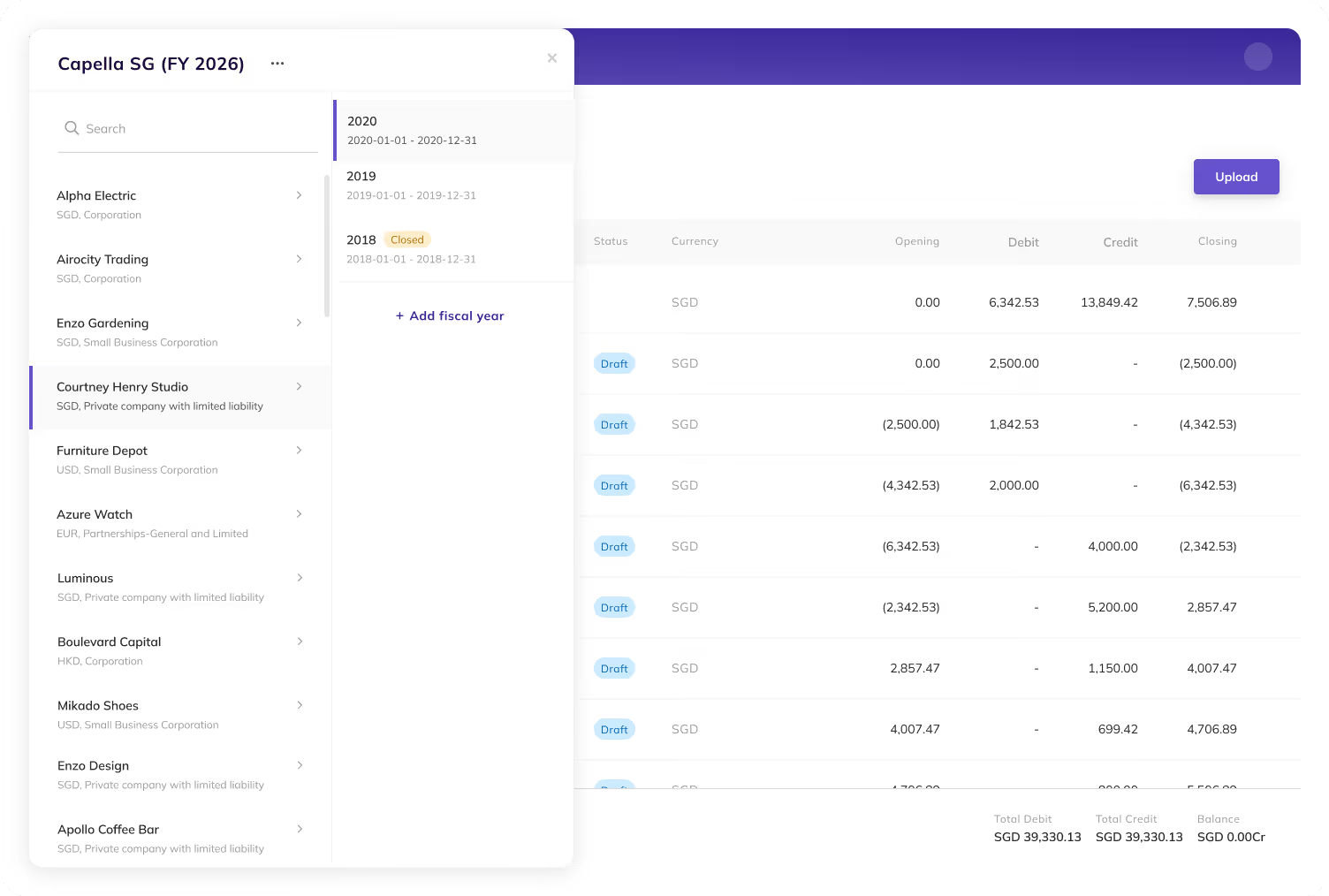
Excel is excellent at analysis. It's a poor place to run client bookkeeping. No audit trail, formulas that break silently, no scaling past a few entities. Eleven takes over the bookkeeping layer with a real ledger, AI data capture, and audit-grade controls. Your analysts keep using Excel for the reporting and modelling Excel is actually good at, now pulling from clean ledger data via API.


Excel handles basic math. Eleven handles your entire accounting practice.


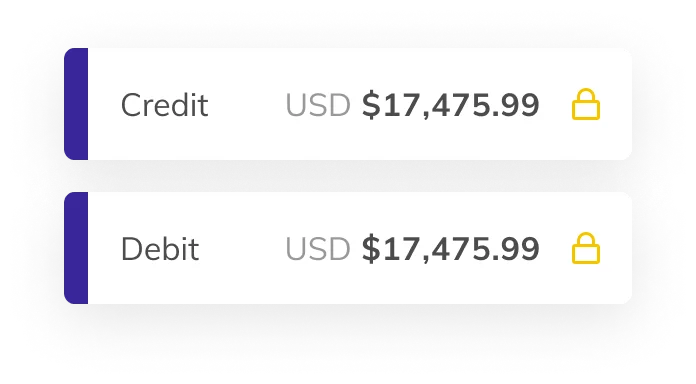
A formula change a week ago leaves no record. A pasted-over value is gone forever. At audit time, "what changed and when" becomes archaeology.
Every entry, every edit, every reversal logged with timestamp and user. Auditors get a complete history; you get protection against silent errors.
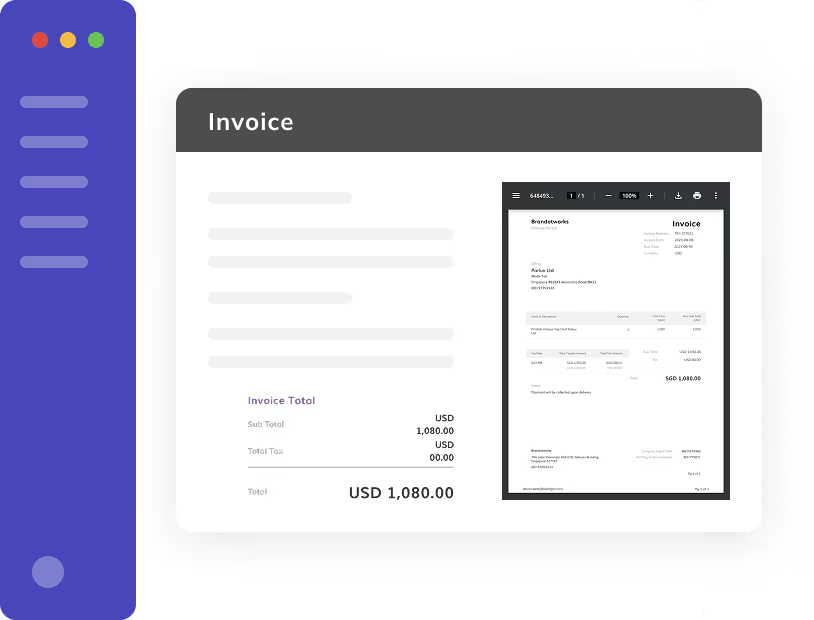
Every Invoice, Every TimeFor every bill, every receipt, someone reads the document and types the vendor, the amount, the date, the tax line into a cell. It's slow, and it's where most errors enter the system.
Upload a PDF or image of an invoice; Eleven extracts the structured data and creates the invoice record. Review and post. The transcription work disappears.

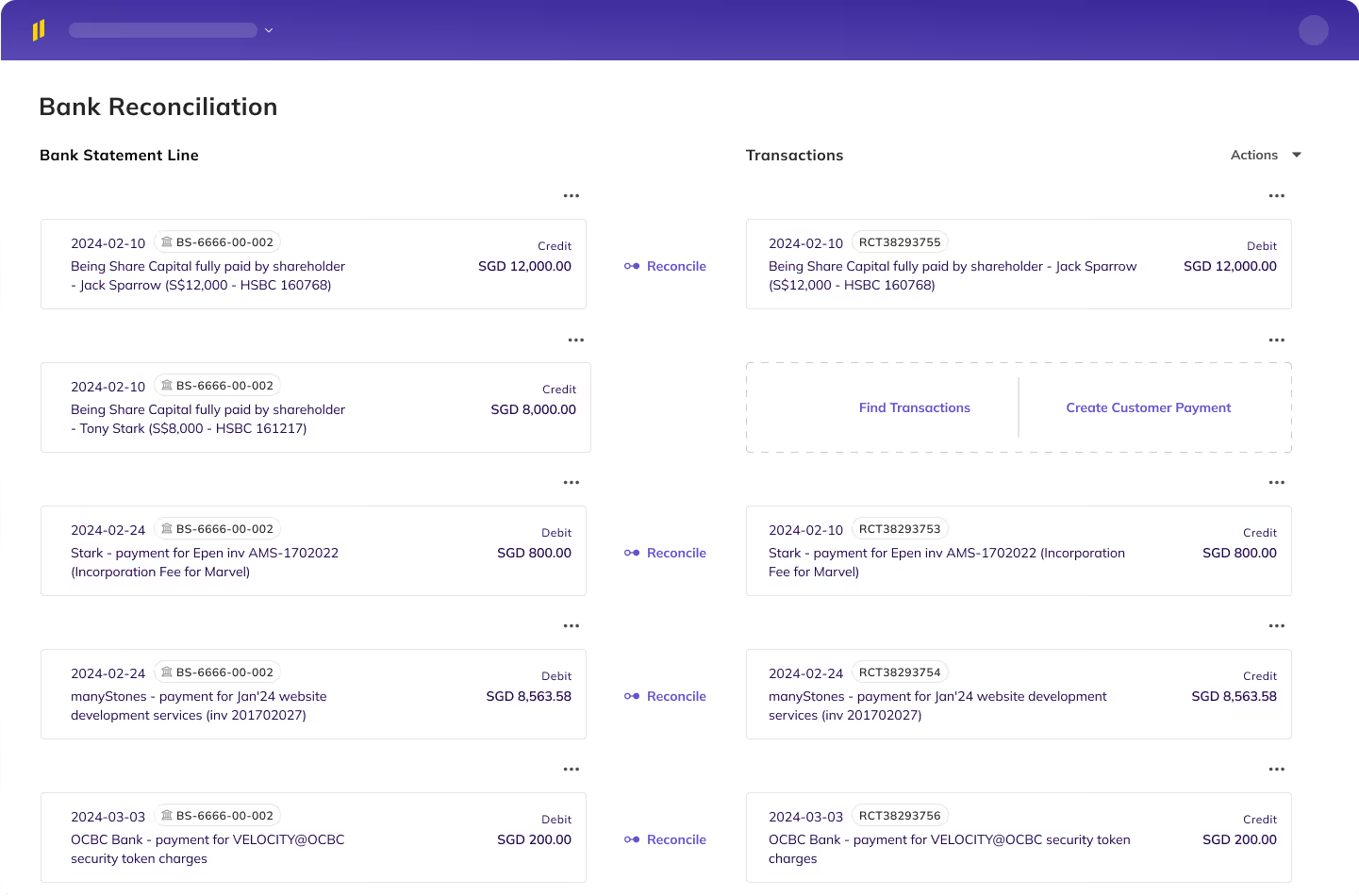
Hundreds of posted transactions, matched one by one with VLOOKUPs that break when a column moves.
Import the bank statement and Eleven proposes which transactions match which lines, based on amount, date, and payee. You review and confirm the matches, exceptions get flagged for closer attention. The judgment stays with the accountant; the scrolling doesn't.
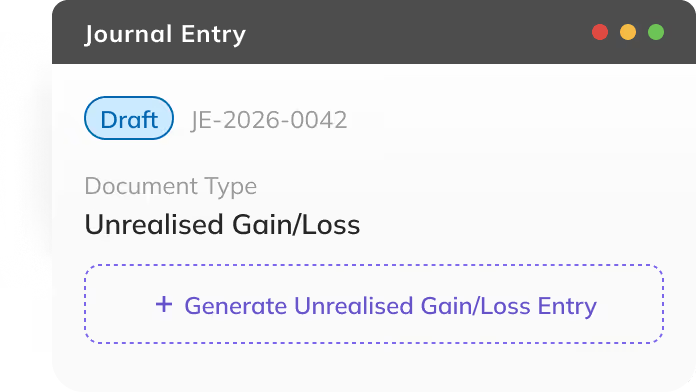
FX rate lookups, manual period-end revaluation, unrealised gain/loss calculated in a separate sheet that may or may not tie back to the main file.
At period-end, Eleven identifies monetary accounts, applies closing rates, and generates draft unrealised gain/loss journals for review. Hours of work become minutes.
Back to SpreadsheetsFor clients with light transaction volumes, paying a full QBO or Xero seat per entity is hard to justify. So those clients stay in Excel — even though Excel is the worst place for the bookkeeping to live.
Import the bank statement and Eleven proposes which transactions match which lines, based on amount, date, and payee. You review and confirm the matches, exceptions get flagged for closer attention. The judgment stays with the accountant; the scrolling doesn't.
This is the part most "Excel replacement" pitches get wrong. Excel doesn't go away when firms move to Eleven. It stops being the bookkeeping system and goes back to being what it's actually good at: analysis, modelling, and custom reporting.
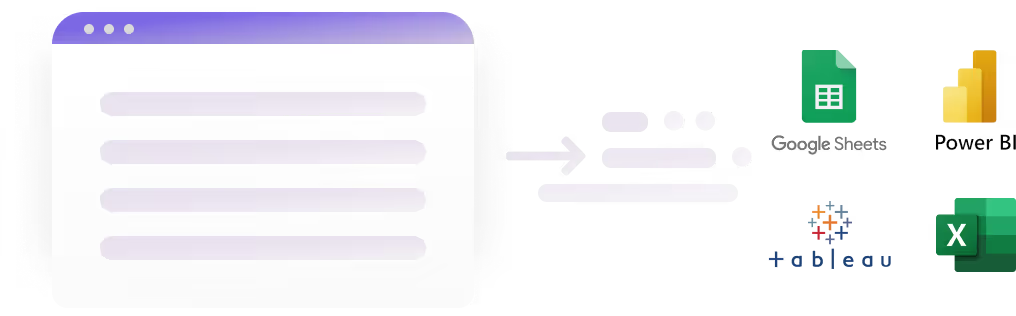
Eleven exposes the General Ledger through an API. Analysts connect Excel directly, pull live ledger data, and build templates in the environment they already know. The custom reports they've spent years refining don't get rebuilt inside a vendor's proprietary report builder — they keep working, now sourced from clean ledger data instead of manual entry.
The split:
Bookkeeping, reconciliation, audit trail, period-end mechanics → Eleven
Custom reporting, management analysis, ad-hoc modelling → Excel, fed by Eleven's API
This is why "Eleven vs Excel" is the wrong question for firms already doing serious analysis in Excel. The right question is which layer Excel belongs in — and the answer is the analysis layer, not the bookkeeping layer.
Every hour your team spends in spreadsheets is an hour they could spend on billable advisory work. The math is simple.
AI extraction and reconciliation suggestions remove the transcription and matching work. The hours go back to billable advisory.
Every entry tracked. Every change logged. No formula surprises at audit time, no version mismatch between what the client saw and what's in the books.
Custom reports keep being built in Excel. The difference is what's feeding them — live ledger data via API instead of manually maintained sheets that may or may not reconcile.




We are using cookies. Learn more.


